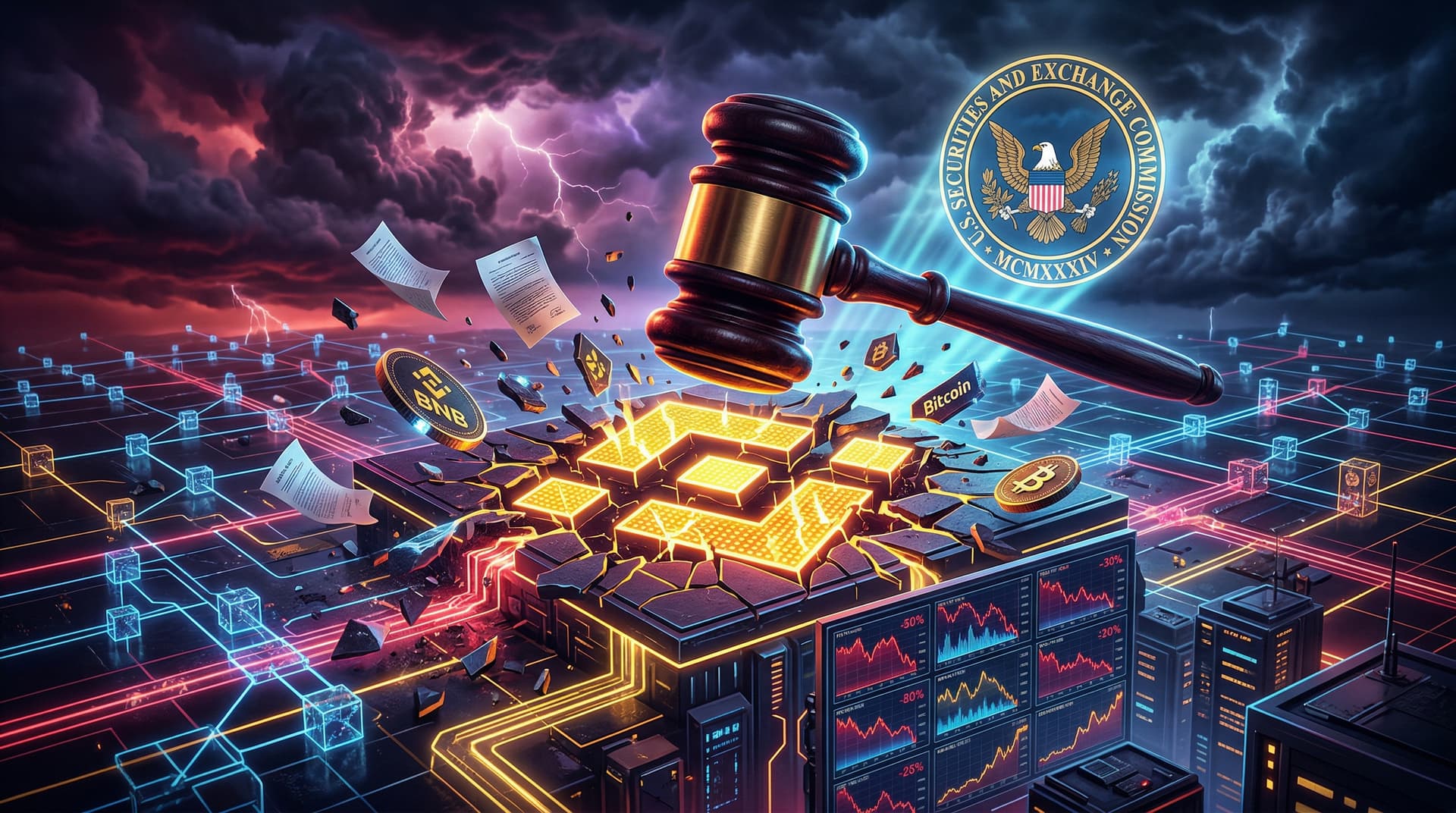
In a move that sent shockwaves through the cryptocurrency world, the U.S. Securities and Exchange Commission (SEC) on June 5, 2023, filed a comprehensive lawsuit against Binance, the globe's largest crypto exchange by trading volume, and its founder and CEO, Changpeng Zhao (CZ). The 13-charge complaint accuses the company of engaging in massive-scale securities violations, including operating as an unregistered national securities exchange, broker, and clearing agency. This regulatory hammer blow comes amid heightened scrutiny of the crypto sector following high-profile collapses like FTX late last year.
The Allegations in Detail
The SEC's 136-page filing paints a damning picture. At the heart of the case is Binance's flagship product, BNB, which the regulator claims is an unregistered security. Regulators allege that Binance and Zhao raised billions through an unregistered sale of BNB tokens starting in 2017, misleading investors about the token's purpose and usage.
Further charges include:
- Diversion of Customer Funds: Binance allegedly secretly diverted hundreds of millions in customer funds to a separate trading entity, Sigma Chain, for its own benefit.
- Market Manipulation: Through a program called "Mega BNB," the exchange is accused of artificially inflating BNB's price.
- Misuse of Trading Platform: Binance's platform allowed wash trading and other manipulative practices, generating at least $1.5 billion in fees from U.S. customers without proper registration.
- Fictitious Trading Volume: The complaint details how Binance used "market makers" to create an illusion of liquidity.
"Binance was an unregistered entity that invested and traded billions of dollars in securities, in the form of crypto assets, for Binance's own benefit," said SEC Chair Gary Gensler in a statement. "They also caused billions of dollars of trading activity by U.S. investors on Binance's platforms."
Zhao, a Canadian citizen residing in the UAE, is personally named in the suit alongside BAM Trading Services, operator of Binance.US.
Binance's Immediate Response and Market Turmoil
Binance responded swiftly, calling the SEC's claims "misguided" and vowing to fight the allegations "vigorously in court." In a blog post, CZ emphasized that Binance has always prioritized user protection and compliance. The exchange also highlighted its efforts to engage with regulators worldwide.
The news triggered immediate market reactions. Bitcoin (BTC) dipped below $26,000, erasing recent gains, while BNB plummeted over 7% in hours. Trading volumes spiked on alternatives like Coinbase, but overall crypto market cap shed about $50 billion in a day. Binance.US, the American arm, halted USD deposits citing "extreme market volatility and regulatory uncertainty."
This isn't isolated—on June 6, the SEC followed up with a lawsuit against Coinbase, alleging similar unregistered operations. The dual actions signal a broader crackdown.
Context: Crypto's Regulatory Reckoning
The lawsuits stem from years of tension between crypto firms and U.S. regulators. Post-FTX bankruptcy in November 2022, which wiped out $8 billion in customer assets, calls for stricter oversight intensified. Gensler has repeatedly argued that most crypto assets except Bitcoin are securities, subject to SEC rules.
Binance, founded in 2017, grew explosively but faced bans in several countries, including the U.S. main platform's geo-blocking attempts. It launched Binance.US in 2019 to comply with local laws, but the SEC claims the two entities were intertwined, with funds and data flowing freely.
Industry watchers note Binance's aggressive expansion: over 1,000 employees, services in 100+ countries, and daily volumes exceeding $70 billion at peaks. Yet, its offshore structure raised red flags.
Implications for the Industry
For Users
Investors face uncertainty. While Binance assures asset safety, frozen accounts or forced delistings loom. U.S. users are advised to withdraw funds amid deposit halts.
For Competitors
Coinbase stock (COIN) fell 10% post-announcement, but could gain if it positions as the compliant alternative. Kraken and others watch closely.
Global Ripple Effects
Europe's MiCA framework advances regulation, while Asia tightens grips. Binance's woes could accelerate a fragmented global landscape.
Legal Precedents
The cases test SEC's authority over crypto. If successful, they could classify dozens of tokens as securities, requiring registrations and disclosures. Appeals might reach the Supreme Court.
Broader Economic Impact
Crypto's market cap hovers around $1 trillion in June 2023, down from 2021 peaks. Institutional interest persists—BlackRock and Fidelity explore Bitcoin products—but regulation is the wildcard. The SEC suits underscore Washington's view: crypto must fit traditional finance molds or face exclusion.
Critics like Coinbase CEO Brian Armstrong argue for clear rules via Congress, not enforcement actions. Proponents say it's necessary to weed out bad actors.
What's Next?
Binance plans discovery and motions to dismiss. Trials could drag years. Meanwhile, CEO Zhao tweeted (via his handle on Twitter) support for users, urging calm.
For blockchain's promise—decentralized finance, Web3 innovation—this is a stress test. Will it foster maturity or stifle growth?
As a senior tech journalist, I've covered crypto's booms and busts. This SEC action feels pivotal: regulation's arrival, for better or worse.
(Word count: 912)